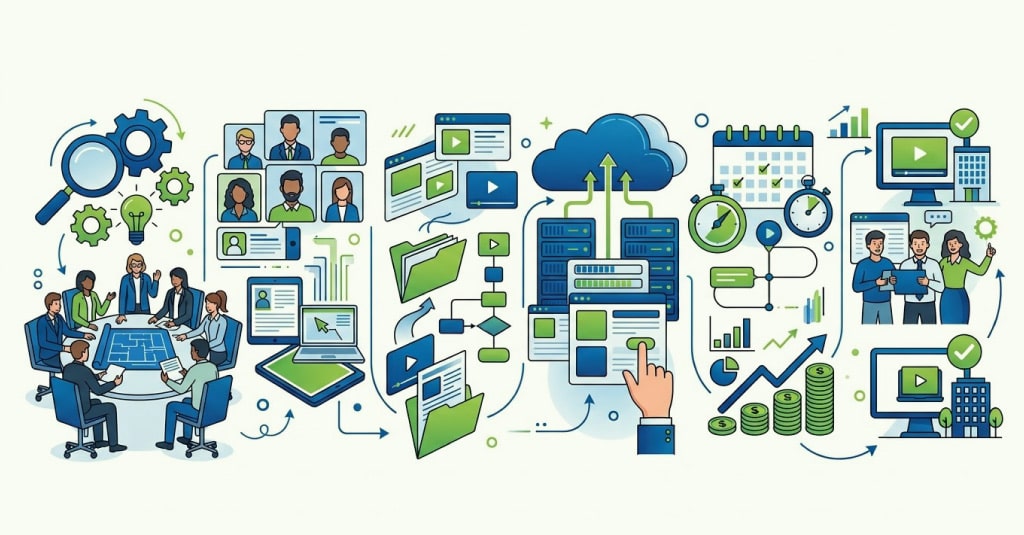





GxP training in pharma is not simply about completing mandatory courses. It is about ensuring that people have the training and experience needed to perform their assigned functions in line with current good manufacturing practice (GMP) and applicable procedures.
For pharmaceutical manufacturers, that means training needs to connect the employee’s role to the specific operations they perform. It can include GMP fundamentals, SOP-specific training, data integrity, deviation and CAPA processes, and training on computerized systems used in regulated activities.
FDA 21 CFR 211.25 requires personnel involved in manufacturing, processing, packing, or holding drug products to have appropriate education, training, and experience for their assigned functions. EU GMP Chapter 2 similarly establishes expectations around personnel qualification and ongoing training.
The challenge for L&D and QA teams is therefore bigger than course completion. It is keeping training aligned with the work, the procedures, and the quality requirements that govern that work.
That is where GxP training in pharma becomes an eLearning and quality-system design problem, not simply a compliance requirement.

What GxP Training in Pharma Needs to Cover
GxP training in pharma is not a single course. It is a role-based training program that connects what employees need to know with the work they actually perform.
Core Components of GxP Training in Pharma
Depending on the role and regulated activity, the curriculum may include:
- GMP fundamentals: Core GMP principles relevant to the employee's responsibilities.
- SOP-specific training: Training on the procedures employees are required to follow, with records that identify the applicable procedure and version.
- Data integrity: Principles for maintaining complete, consistent, accurate, and reliable records, including ALCOA principles.
- Computerized systems: Training for employees who use systems supporting GMP-regulated activities, with responsibilities and access appropriate to their roles. EU GMP Annex 11 addresses personnel, computerized systems, data integrity, and validation expectations.
- Deviation, CAPA, and change control: Training that helps employees understand what to do when a process does not go as planned or when an approved procedure changes.
The important distinction is that these areas should be assigned according to the employee’s responsibilities and the work they perform.

Connecting GMP Training Pharma with Quality and Compliance Training
GMP training in pharma cannot sit separately from the pharmaceutical quality system. Training needs to reflect the procedures, responsibilities, and risks associated with the work employees perform.
21 CFR 211.25(a) makes this connection explicit: personnel must have the education, training, and experience needed for their assigned functions, including training in the particular operations they perform and applicable current GMP requirements.
That makes completion tracking only one part of the picture. An LMS can show that an employee completed a module, but it cannot by itself demonstrate that the training reflects the employee’s current responsibilities or that they can correctly apply what they learned to a high-risk task or deviation.
For L&D and QA teams, the implication is practical: training needs to stay connected to the work employees perform, not just to the courses assigned to them.
Also Read: Custom eLearning Solutions for Pharma Compliance That Generic Training Cannot Fix

Building Audit-Ready Pharmaceutical Compliance Training
Audit-ready pharmaceutical compliance training is less about having a polished LMS dashboard and more about being able to show how training is connected to roles, procedures, assessments, and training records.
A practical framework includes:
1. Version control
Training records should identify the applicable procedure or document version so the organization can establish what employees were trained on.
2. Role-appropriate assessment
Where the task involves judgment or higher risk, assessment should provide evidence that the learner understood what they are expected to do.
3. Appropriate system controls
Systems used to manage regulated training records should support the organization’s applicable requirements for access, data integrity, documentation, and validation or qualification.
4. Defined retraining triggers
Changes to procedures, responsibilities, processes, or quality events may require training to be reviewed or reassigned.
5. Traceable training requirements
A clear mapping between roles, required training, procedures, and training records makes it easier to demonstrate that the right people received the right training.

Designing eLearning Compliance Training for GxP Environments
Designing eLearning compliance training for a GxP environment is a different job than designing a typical corporate course. The stakes are different, and so is the definition of “done.”
Generic eLearning optimizes for engagement and completion. GxP eLearning has to optimize for demonstrated competence and a clean audit trail. Here’s where the two diverge:
The design priority should not be the course format. It should be the work the employee needs to perform. GxP eLearning should reflect the context in which employees will apply what they learn.
That means:
Use realistic scenarios where judgment matters
Instead of testing whether a learner remembers a definition, present situations that resemble the decisions they may face on the job. A QA associate, for example, could identify a deviation in a simulated batch record.
Make the assessment match the task
Not every topic requires the same assessment approach. Knowledge checks may be sufficient for foundational concepts, while higher-risk tasks may require more contextual or practical assessment.
Design for change
When an SOP or process changes, the organization should be able to identify affected learning content, determine whether retraining is needed, and update the relevant training records.
The goal is not to make GxP eLearning more complicated. It is to make the design appropriate to the work, risk, and decisions employees face.
Also Read: The Pharma & Healthcare Training Challenge: Keeping Pace with a Knowledge-Intensive Industry

Scaling With Compliance Training Solutions and Custom eLearning Development Services
Scaling GxP training becomes more complex as pharmaceutical organizations add sites, products, languages, systems, and procedures.
This is where compliance training solutions and custom eLearning development services can provide additional capacity. The role of an external partner is not to replace internal QA or subject matter expertise. It is to support the instructional design, content development, assessment, and maintenance work required to keep training aligned with the organization’s requirements.
For pharmaceutical organizations, useful capabilities include:
- Converting technical and regulatory material into usable digital learning
- Supporting assessment design for role-specific training
- Managing content updates when procedures change
- Supporting multilingual training development
- Maintaining documentation and review workflows
- Coordinating development with internal QA and subject matter experts
The right model depends on the organization’s internal instructional design capacity, quality processes, content volume, and rate of change. A specialist eLearning development partner can be particularly useful when the volume of regulated training exceeds what the internal team can maintain efficiently.

Key Takeaways & Conclusion
The bigger opportunity in GxP training is not simply delivering compliant courses. It is creating a clearer connection between what employees are trained to do and the work they are actually expected to perform.
For L&D and QA teams, that means looking beyond completion records and asking whether training remains relevant as roles, procedures, and quality requirements change.
eLearning can support that connection at scale, but the design needs to start with the work and the risk, not the course format.
If your GxP training program is primarily measured by completion rates, the next question is what those records actually demonstrate about readiness to perform the job.
Building GxP Training for Pharma?
Upside Learning helps pharmaceutical and biotech organizations design role-based, scenario-driven eLearning aligned with GMP, SOPs, quality processes, and compliance requirements.

FAQs
FDA 21 CFR 211.25 requires people involved in manufacturing, processing, packing, or holding drug products to have the education, training, and experience needed to perform their assigned functions. Training must cover the particular operations employees perform and applicable current GMP requirements.
QA teams should evaluate whether the training reflects applicable procedures and responsibilities, whether required reviews and approvals are documented, whether training records are appropriately maintained, and whether the learning system and associated controls meet the organization’s applicable requirements.
The assessment should reflect the knowledge, judgment, or task requirements associated with the employee’s role. Foundational topics may use knowledge checks, while higher-risk or judgment-based tasks may require more contextual assessment. The appropriate approach depends on the task and the organization’s training requirements.
Inadequate training can contribute to gaps in GMP compliance and may be identified during regulatory inspections or quality investigations. Depending on the circumstances, training deficiencies can become part of broader findings involving procedures, documentation, data integrity, or quality systems. The operational impact depends on the nature and severity of the underlying issue.
The decision depends on internal instructional design capacity, GxP subject matter expertise, training volume, number of sites and languages, and how frequently procedures change. External providers can add development capacity while internal QA and subject matter experts retain responsibility for the organization’s requirements and approvals.