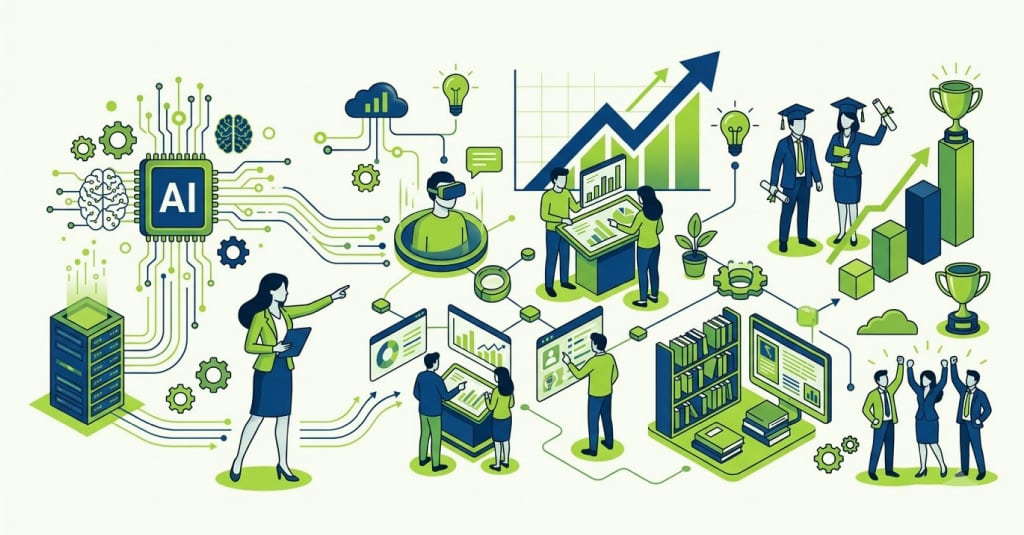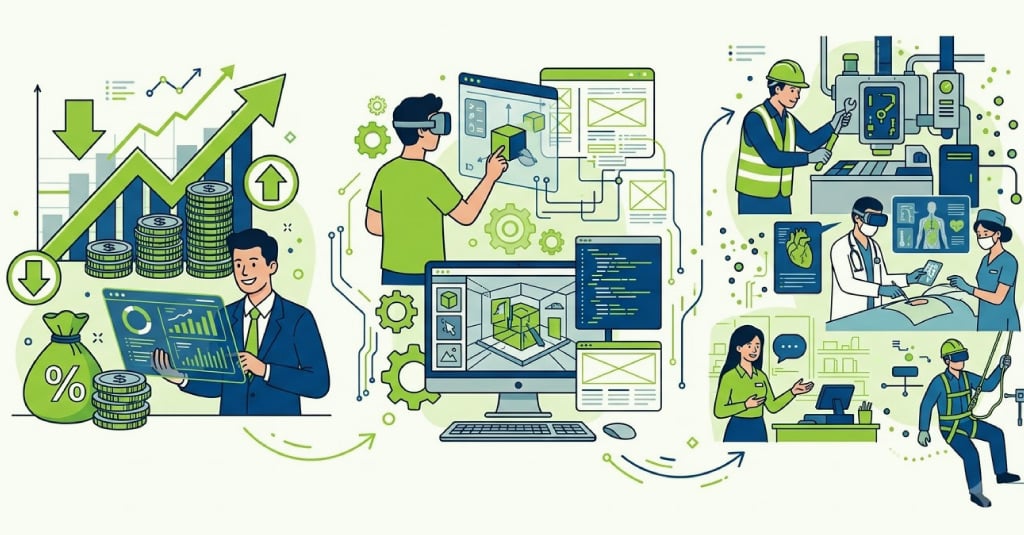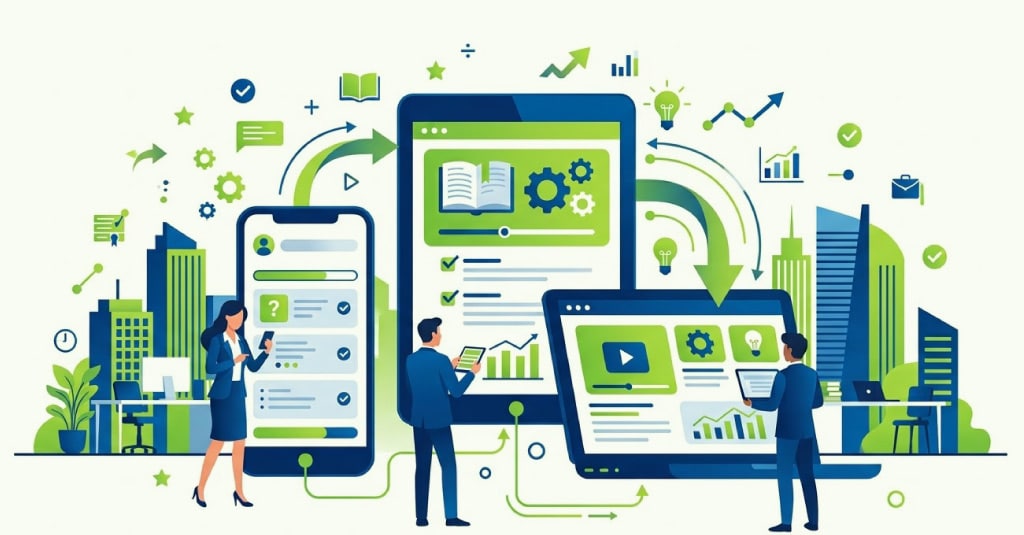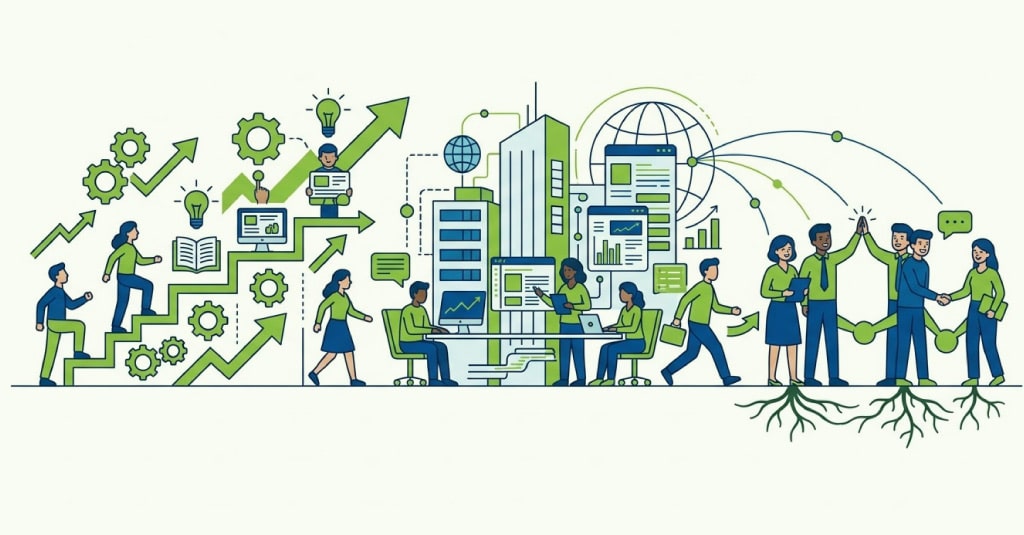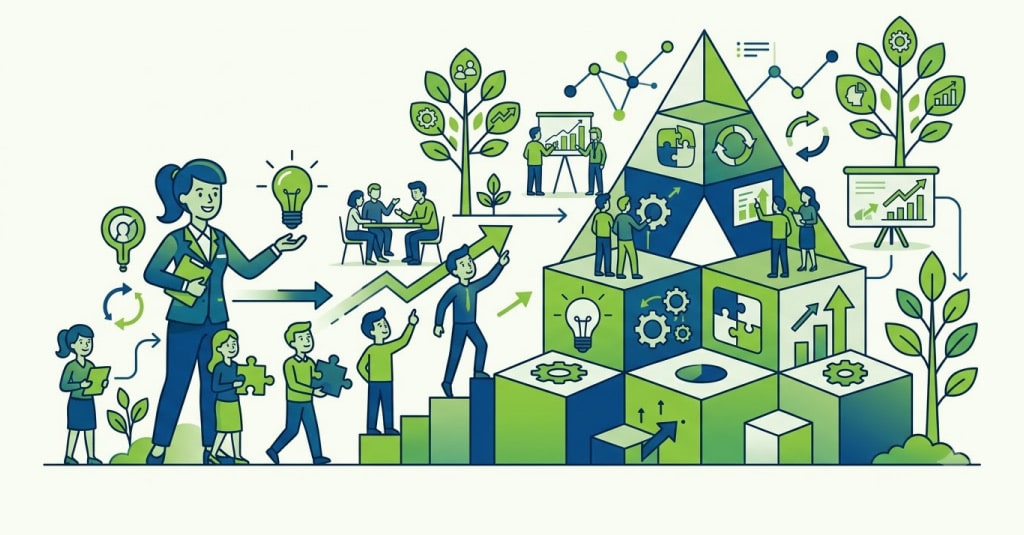




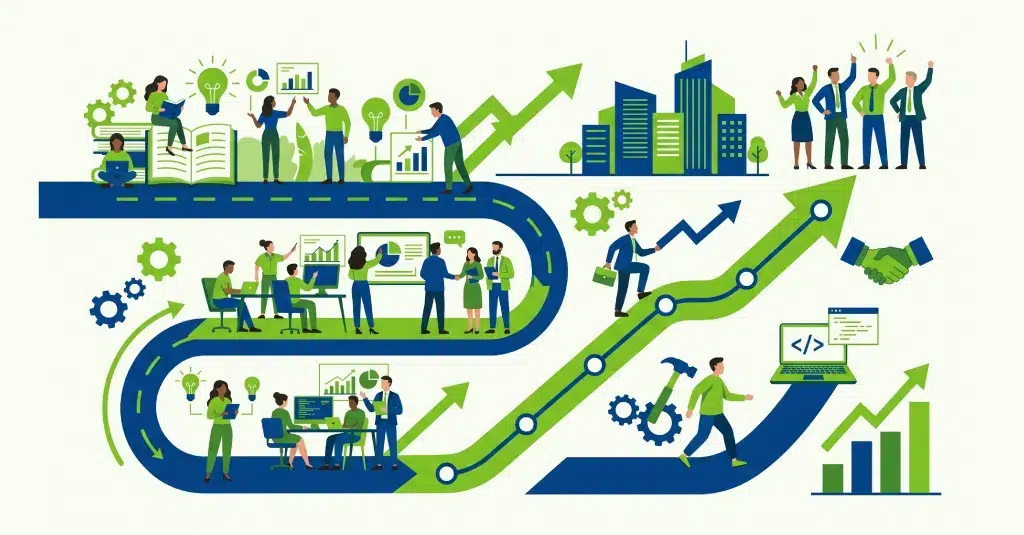
Workforce upskilling helps employees build deeper capabilities within their current roles as work evolves. Employee reskilling, on the other hand, prepares people for entirely different roles when automation, AI, or business transformation changes workforce needs. In enterprise settings, the two strategies serve different purposes, require different investments, and follow different timelines. Organizations that understand this distinction build stronger talent pipelines, improve workforce agility, and reduce disruption during large-scale transformation.
A few years ago, most conversations about automation sounded distant. Interesting? Sure. Urgent? Not really. That’s changed fast.
Today, AI tools write reports, analyze customer behavior, automate workflows, and even support decision-making inside large enterprises. Teams that once relied on manual processes now work alongside intelligent systems every day. Honestly, for many organizations, the real challenge isn’t technology adoption anymore. It’s keeping employee capability aligned with the speed of change. And that’s where workforce upskilling becomes impossible to ignore.
In my experience working with enterprise learning teams, one thing shows up again and again: companies often wait too long. They notice productivity dips, growing skill gaps, or rising employee anxiety before they finally react. By then, the pressure is already visible across operations. The organizations getting ahead aren’t treating learning as a side initiative tucked inside HR. They’re treating employee upskilling and employee reskilling as strategic business priorities tied directly to workforce planning, internal mobility, and long-term resilience.
That shift matters. Because building future-ready capability at enterprise scale takes far more than launching a few corporate training programs or assigning online modules people barely remember finishing. It requires a clear roadmap built around data, business outcomes, and human behavior. And yes, human behavior matters more than most dashboards admit.

Employee Upskilling vs. Employee Reskilling: What's the Real Difference?
People often lump upskilling and reskilling together. On paper, they seem similar. In practice, though, they solve completely different workforce problems.
What Workforce Upskilling Actually Means
Workforce upskilling focuses on helping employees grow inside their existing roles.
The role still exists. The expectations simply evolve.
For example:
- A sales manager learns to use AI-driven forecasting tools
- A compliance officer develops advanced analytics capability
- A customer service team learns conversational AI workflows
- A project manager improves digital leadership skills
The goal is sharper performance, stronger adaptability, and higher productivity within the same role family.
Think of it like renovating a house instead of moving into a new one.
What Employee Reskilling Means
Employee reskilling prepares workers for entirely different roles.
This usually happens when automation changes job structures or when organizations shift business models altogether.
Examples include:
- Administrative staff transitioning into operations analysis roles
- Manufacturing workers moving into robotics monitoring
- Trainers becoming AI-enabled learning designers
- Traditional support teams evolving into customer success specialists
Reskilling often requires deeper behavioral change, longer timelines, and much stronger organizational support.
Why the Difference Matters
Here’s the thing most enterprises overlook: if you treat upskilling and reskilling the same way, both programs usually underperform.
Upskilling initiatives are typically designed for faster application inside existing workflows. Employees are expected to apply new capabilities immediately within their current roles, so learning experiences often focus on shorter learning cycles, workflow integration, and measurable productivity improvements.
Reskilling initiatives are far more transformational. Employees are not just learning new tools. They are preparing for entirely different responsibilities, expectations, and ways of working. That is why reskilling programs usually require:
- Structured capability pathways
- Practice-heavy learning experiences
- Coaching and managerial support
- Internal mobility planning
- Longer-term investment and assessment
Without that distinction, even well-funded corporate training for employees can become disconnected from actual workforce outcomes.

Why Most Corporate Training Programs Stall
Let’s be honest for a second.
A surprising number of enterprise learning initiatives look impressive in presentations but struggle in reality.
I’ve seen organizations celebrate course completion rates while managers quietly admit nothing really changed operationally. Employees finish learning modules on Friday and return to the same outdated workflows on Monday. It happens more often than people like to admit.
They Start Without Skills Gap Training Data
Many companies build training around assumptions instead of evidence.
That creates problems immediately.
Without accurate skills data, organizations can’t confidently answer questions like:
- Which capabilities are becoming obsolete?
- Which roles face automation risk?
- What future skills will matter most?
- Where are the largest capability gaps?
Good workforce upskilling starts with visibility, not guesswork.
According to the World Economic Forum, nearly half of employees globally will require reskilling or significant upskilling because of technological transformation and AI adoption.
Learning Gets Trapped Inside L&D
Another common issue? Leadership distance.
When learning remains “an HR thing,” momentum fades fast.
Successful employee reskilling initiatives usually involve:
- Executive sponsorship
- Business-unit ownership
- Workforce planning alignment
- Operational accountability
Otherwise, learning stays disconnected from business priorities.
One-Size-Fits-All Programs Fail Quickly
Different employee populations learn differently.
A frontline operations worker doesn’t need the same intervention as a senior manager navigating AI-led decision systems. Yet many corporate training programs still deliver identical content to wildly different audiences.
That rarely works.
Completion Metrics Replace Real Outcomes
This one drives L&D professionals crazy.
Completion rates are easy to measure, so organizations obsess over them. But business leaders care about different questions. They want to know whether performance improved, productivity increased, internal mobility rose, and employees actually applied new skills on the job.
That’s why frameworks like Donald Kirkpatrick’s evaluation model remain so valuable in learning and development consulting conversations today. They shift the focus from activity to measurable business impact.

How to Build an Enterprise Upskilling Roadmap: 5 Steps
A. Step 1 Start With Skills Intelligence Before Program Design
Before designing learning pathways, enterprises need a realistic view of current and future capability needs. They must understand existing workforce capabilities, emerging business priorities, automation exposure, and critical skill gaps across teams.
The strongest organizations build this understanding using multiple data sources. These often include performance data, skills assessments, manager observations, market intelligence, and workforce analytics. Together, these insights create a stronger foundation for skills gap training initiatives.
Employees notice the difference too. Learning programs feel more relevant when they connect directly to actual work challenges instead of generic development goals.
B. Step 2 – Segment the Workforce Carefully
Not every employee needs the same solution.
Strong enterprise models often segment employees into groups like:
| Workforce Segment | Primary Need |
|---|---|
| Ready to Grow | Leadership and advanced development |
| Needs Upskilling | Expanded capability in current roles |
| Needs Reskilling | Transition into new functions |
| At-Risk Roles | Workforce redeployment planning |
This segmentation changes everything from budget allocation to program duration.
It also improves learner engagement because people receive more targeted support instead of generic learning experiences.
C. Step 3 – Design Blended Learning Journeys, Not One-Off Training Events
Here’s a mistake enterprises make all the time: they confuse content delivery with capability building.
Watching a course is not the same thing as becoming capable. Real capability development happens through continuous reinforcement and application over time.
Effective blended learning strategies usually combine:
- Practice-based learning
- Coaching and feedback
- Reflection activities
- On-the-job application
- Collaborative learning experiences
- Digital modules and workshops
I once worked with a leadership team that replaced long quarterly workshops with shorter learning sprints tied directly to live business problems. Participation increased because employees could immediately apply what they learned instead of storing it away “for later,” which usually means never.
D. Step 4 – How Custom Learning Solutions Support Internal Mobility
- Reskilling without opportunity creates frustration. Employees want to know where new skills can lead. That’s why internal talent marketplaces matter so much now. They connect learning directly to career movement.
- Organizations with strong mobility systems often see higher retention, better engagement, faster workforce redeployment, and reduced hiring costs. Custom learning solutions become far more effective when employees can clearly see career pathways attached to them.
E. Step 5 – Measure Workforce Outcomes Instead of Learning Activity
The best learning leaders measure operational impact, not just participation.
Useful metrics include:
- Time-to-productivity
- Internal mobility rates
- Retention improvements
- Performance growth
- Customer satisfaction shifts
- Role readiness benchmarks
That creates genuine business alignment instead of vanity reporting.
For additional workforce transformation insights, the Organisation for Economic Co-operation and Development offers strong research on future workforce capability trends.
How AI Is Transforming Corporate Training for Employees at Scale
AI has changed enterprise learning faster than many expected.
Some organizations still use static learning catalogs. Others now use intelligent systems that personalize learning pathways based on skill gaps, performance trends, and future-role requirements.
That difference is massive.
AI can now support:
- Skills intelligence mapping
- Personalized learning recommendations
- Adaptive learning pathways
- Scenario-based simulations
- Practice environments
- Coaching support
In one enterprise rollout I observed, AI-driven practice simulations dramatically reduced onboarding time for customer-facing employees. New hires practiced difficult conversations repeatedly before interacting with real clients. Managers reported stronger confidence and faster readiness almost immediately.
Still, AI isn’t magic.
Human-led learning remains essential for:
- Leadership judgment
- Emotional intelligence
- Coaching
- Collaboration
- Ethical decision-making
That balance matters.
Companies like Upside Learning increasingly combine AI-enabled platforms with strategic learning and development consulting to build scalable workforce upskilling ecosystems that still retain human guidance where it matters most.
What Makes Employee Reskilling Actually Stick
Technology helps. Culture determines whether learning sticks.
Executive Commitment Matters
If leaders treat learning as optional, employees will too.
The strongest organizations visibly connect workforce transformation to business strategy.
Cross-Functional Alignment Is Essential
HR, business leaders, and L&D teams need shared agreement around:
- Priority skills
- Workforce risks
- Future capability needs
- Internal mobility goals
Without alignment, programs drift.
Psychological Safety Changes Everything
Employees won’t openly acknowledge skill gaps if they fear career consequences.
Organizations that normalize learning vulnerability usually see stronger participation and better outcomes.
Why Corporate Leadership Training Is Central to Learning Transfer
Managers influence whether learning becomes behavior.
That’s why corporate leadership training often plays such a central role in successful workforce transformation programs.
Learning Must Become Continuous
The old “train once and move on” model simply doesn’t hold up anymore.
Modern workforce transformation requires continuous adaptation. The companies thriving right now understand that learning isn’t remediation. It’s operational infrastructure.

Key Takeaways & Conclusion
Workforce upskilling and employee reskilling are no longer optional enterprise initiatives sitting quietly inside HR roadmaps.
They’ve become business survival priorities.
Upskilling helps employees grow within evolving roles. Reskilling prepares people for entirely new opportunities as AI, automation, and transformation reshape work itself.
The enterprises making real progress aren’t relying on isolated corporate training programs alone. They’re building integrated capability systems tied directly to workforce planning, mobility, leadership alignment, and measurable business outcomes.
And perhaps most importantly, they’re treating learning as a human process, not just a technology deployment.
Because behind every skills dashboard is a person trying to stay relevant in a rapidly changing workplace.
That’s the part organizations can’t afford to forget.
Organizations that invest in strategic upskilling and reskilling today will be far better prepared for the workforce challenges ahead. Looking to build scalable workforce learning strategies aligned with business transformation? Connect with the team at Upside Learning to explore custom learning solutions for enterprise capability development.

Frequently Asked Questions
Employee upskilling improves capabilities within an employee’s current role, while employee reskilling prepares them for entirely different responsibilities or career pathways.
Start with workforce skills mapping and business forecasting. Then segment employees by capability needs, design targeted learning journeys, connect learning to internal mobility, and measure business outcomes continuously.
Most employee reskilling programs range between six and twelve months depending on role complexity, learning depth, and organizational readiness requirements.
Organizations typically measure ROI through productivity improvements, internal mobility rates, retention, performance benchmarks, customer metrics, and reduced external hiring costs.
AI helps organizations personalize learning pathways, identify workforce skill gaps, accelerate practice-based learning, and improve workforce planning through large-scale skills intelligence analysis.