



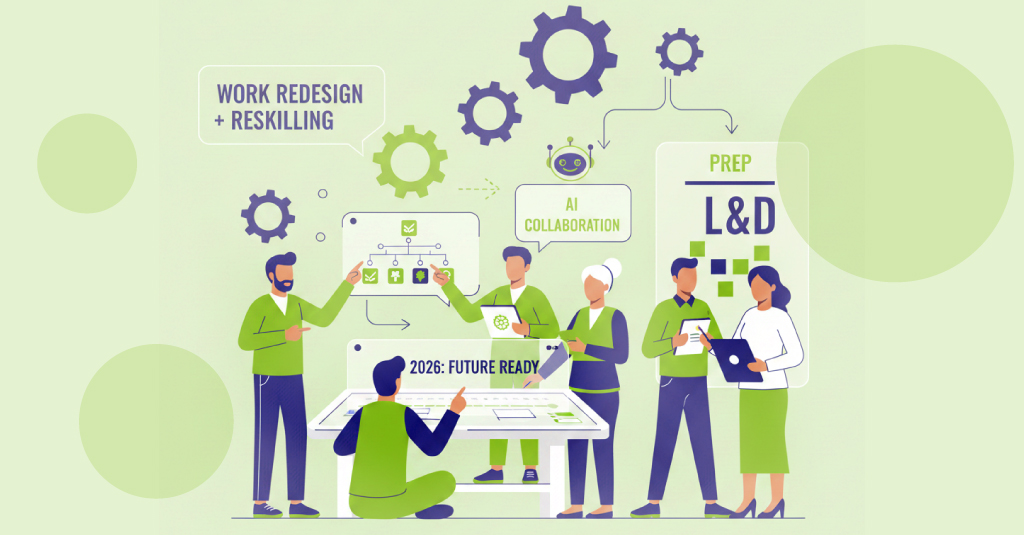

Why Work Redesign and Reskilling Matter in 2026
If you’ve worked in L&D long enough, you’ve probably had that moment where you realize your job isn’t just “training.” It’s more like being the unofficial therapist, translator, and air-traffic controller for every change initiative flying across the organization. I had one of those moments last year when a manager pulled me aside and whispered, “We need our team to work differently next quarter. Also, the skills we need don’t exist yet. Can you fix that by Tuesday?”
Work redesign and reskilling for 2026 isn’t a future problem. It’s here now. And L&D sits right in the middle of it.
This article breaks down how learning teams can guide organizations through the messy, human, and strategic reality of redesigning work while reskilling teams for what’s coming next.
Keyword included early: “work redesign and reskilling for 2026.”

The Real Problem: Work Is Changing Faster Than Roles Can Keep Up
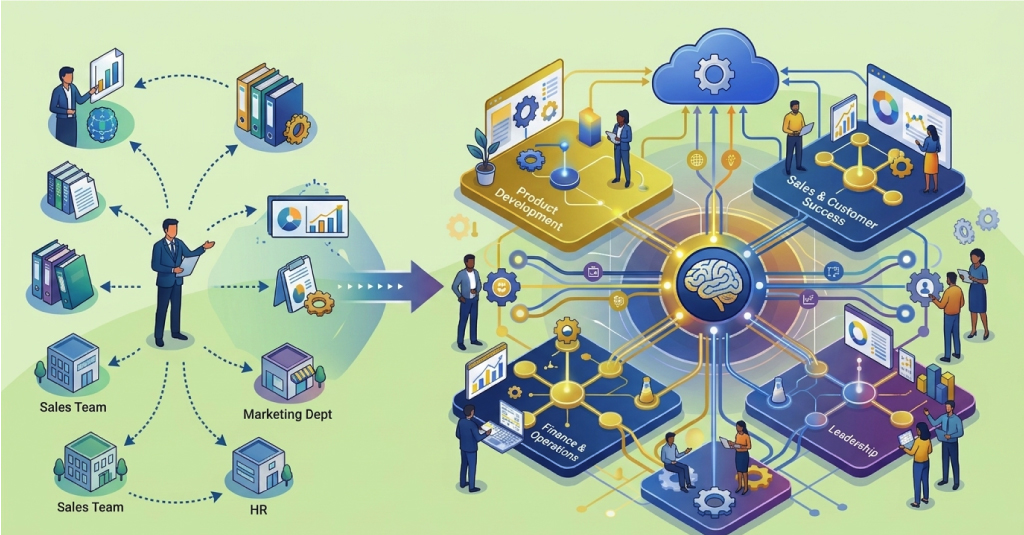
Organizations are rethinking how work gets done. It’s not just AI. It’s shifting customer expectations. It’s the speed of delivery. It’s new product cycles. It’s organizational restructuring. And honestly, sometimes it’s just that the old way of working was held together with duct tape and goodwill.
In conversations with learning leaders, a pattern shows up. The roles that exist today aren’t the roles needed tomorrow. Teams are being asked to collaborate differently, solve more complex problems, and use new tools without much warning.
L&D can’t simply update modules. We have to help redesign the work itself.

What’s Not Working: Traditional Training Approaches
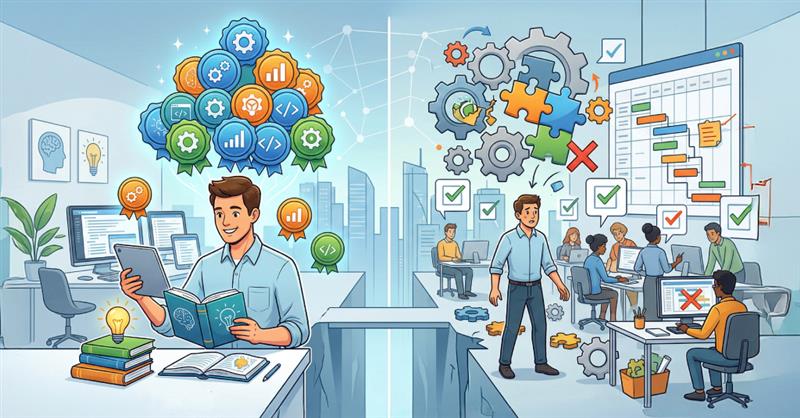
A lot of organizations still believe reskilling means “create three videos and a quiz.” You and I both know that’s a quick way to fail a transformation.
Some common issues:
- Training is launched before roles are updated or clarified.
- Learning teams get a “skills list” instead of actual behavior expectations.
- No one evaluates whether the redesigned work is realistic.
- Teams aren’t given time to practice or experiment.
- Leaders underestimate how much mindset shift is needed.
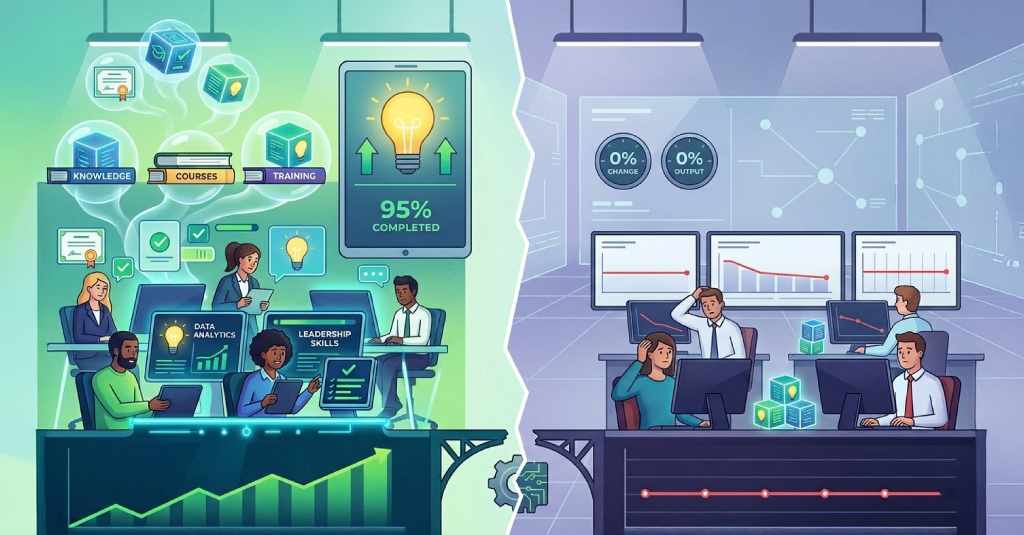
The result is predictable. Completion rates are high. Capability hasn’t moved at all.
When work changes, learning has to be baked into the redesign, not glued on afterward.

The Solution: L&D as the Engine of Work Redesign
Here’s where the fun begins. Learning teams are uniquely equipped to guide work redesign because we naturally think in terms of outcomes, actions, and human behavior.
A few frameworks from the instructional design world play a huge role here.
Start with outcomes, not tasks
Understanding by Design helps anchor work redesign in what teams must be able to do. You can’t redesign a role if you don’t know the actual “performs-in-the-real-world” outcomes.
Prototype work, not just learning
SAM’s iterative approach works beautifully for redesigning responsibilities. You can test workflows, or collaboration patterns the same way you’d test a learning prototype.
Align to actual business metrics
Kirkpatrick’s Levels and Phillips ROI become a north star. If the redesigned work doesn’t shift behavior or results, the reskilling plan won’t land.
Layer in learning science
- Cognitive Load Theory helps avoid overwhelming people during transitions.
- ARCS ensures motivation stays intact.
- Spaced repetition supports retention as new workflows stabilize.
When L&D uses these models, we stop being content producers and start becoming organizational architects.

Practical Steps L&D Can Take in 2025–2026
Here’s a concrete, real-world approach you can implement right away.
1. Map the skill shifts inside work redesign
Sit with leaders and ask: “How will this role actually behave differently in January versus today?”
Push for verbs. (Bloom’s Taxonomy is your friend here.)
2. Build role prototypes
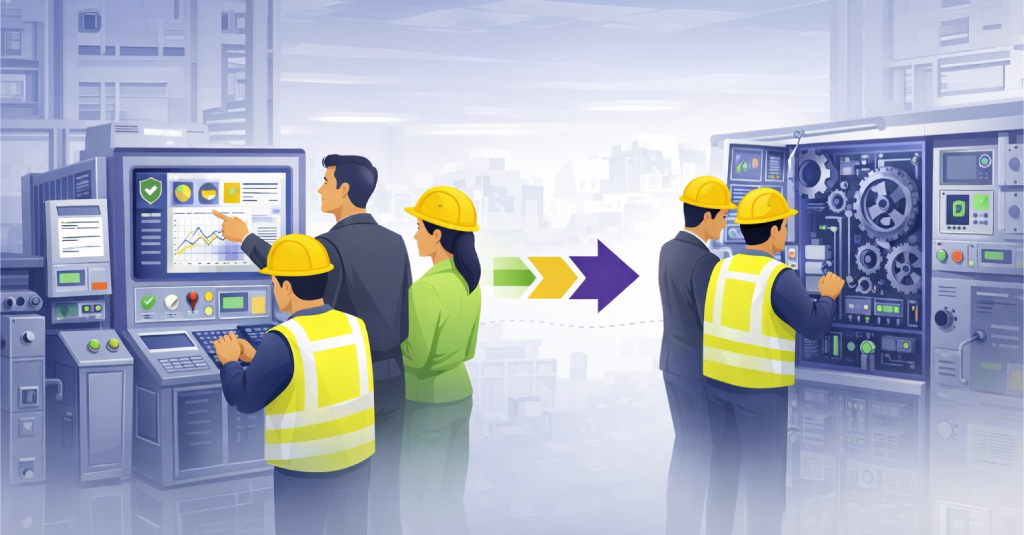
Before building training, prototype how the redesigned work will flow.
Think: job shadowing, workflow mapping, scenario walk-throughs.
3. Use learning as the testing ground
Pilot version 1 of the redesigned work inside a small learning cohort. Treat the learning environment as a sandbox, not a classroom.
4. Add spaced reinforcement
5. Train leaders first
6. Build confidence, not just competence

Real Example: The “We Need New Skills by Q2” Crisis
A few years ago, I supported a team in a financial organization that needed customer service agents to shift from transactional work to true advisory conversations. The business goal sounded simple: fewer scripted calls, more problem-solving.
The reality? The agents were terrified.
What actually changed everything was a small moment. One agent paused mid-practice session and said, “No one’s ever let me try new things without grading me immediately.”
That was the moment the change took root. Sometimes, work redesign is really permission to redesign.

Common Pitfalls When Redesigning Work and Reskilling for 2026
- Treating skills as standalone assets. Skills only matter if they connect to real work.
- Underestimating the emotional side of change. People aren’t robots.
- Ignoring system barriers. If the tools or process don’t support the redesigned work, learning can’t fix it.
- Creating training before confirming workflows. This one hurts every time.
- Skipping follow-up. Without reinforcement, old habits return by default.

Conclusion
Work redesign and reskilling for 2026 isn’t about predicting some abstract future of work. It’s about giving people the confidence, clarity, and space to learn their way into new ways of working.
The best L&D teams aren’t just producing content. They’re shaping culture. They’re piloting new workflows. They’re building psychological safety. They’re helping organizations become more humane during transitions rather than more chaotic.
FAQs: Custom vs. Off-the-Shelf eLearning
If your workflows, tools, or brand vibe are one-of-a-kind- or if behavior change matters- custom’s your cheat code.
Yep, upfront it’s lighter on the wallet. But for long-term wins and role-specific skills? Custom flexes harder ROI.
For sure. Start with off-the-shelf for the basics, then sprinkle in custom modules where it really counts.
Depends on how ambitious you get- usually weeks to months. Planning ahead keeps you from sweating deadlines.
For general topics, yeah. For real-life scenarios or changing habits? Engagement can ghost you.
Totally. You own the content, so edits, tweaks, or upgrades? All yours.
Custom can adapt paths, toss in interactive exercises, and mix multimedia to match every brain type.
Mostly basic stuff- completion rates, quiz scores. Custom digs deeper: behavior, skill gaps, all the good analytics.
Quick wins? Off-the-shelf. Lasting change? Custom. Pick your lane- or flex both.
Yep. They make it seamless- fast deployment, tailored experiences, or a mashup.

Pick Smart, Train Better
Picking off-the-shelf or custom eLearning? Don’t stress. It’s really about your team, your goals, and the impact you want. Quick wins? Off-the-shelf has you covered. Role-specific skills or behavior change? Custom eLearning is your move.
Upside Learning makes both options effortless. Whether it’s ready-to-roll courses or fully tailored experiences, we handle the heavy lifting- interactive modules, adaptive paths, branded visuals, and analytics that tell you something. No wasted time, no generic content- just learning that sticks.
Ready to level up your team’s learning game? Connect with Upside Learning today and see how we make training fast, engaging, and results-driven. Your team deserves training that works- and we deliver.